
 Capital Adequacy for Islamic Banks
SIDC CPE - accredited: 10 CPE Points
About The Seminar
In the advent of the global financial crisis of 2007-9, Islamic banking practitioners are under significant pressure to comply with capital adequacy standards. The hope of regulators is that compliance will reduce the chance of individual bank failure, and also contagion within the financial system. The IFSB’s capital adequacy framework for Islamic banks establishes minimum levels of capital which Islamic banks should maintain in order to remain solvent in the face of unexpected losses. As this framework has developed to keep track of evolving international standards for the regulation of banks set by the Bank for International Settlements (Basel Accords), they have become increasingly voluminous and technically challenging to understand. One of the biggest challenges for practitioners is knowing and understanding the relevant standards concerning capital requirements, and the determination of capital adequacy based on the capital charges of a multitude of risk types, and financial products. This not only impacts risk managers, but anyone whose financial and business decisions change the composition of the balance sheet, for example Islamic asset origination teams and treasury managers.
This course has been developed for Islamic finance practitioners who need in-depth knowledge of the capital adequacy requirements of Islamic banks. The course provides a valued opportunity to know and to understand the IFSB’s capital adequacy standards in detail. The course provides an indispensable resource not only for Islamic bankers, but also Islamic bank supervisors and regulators needing expert knowledge of regulation.
The course will also include a high level of interactive discussion, practical insights, and thorough instruction in capital adequacy regulations as they apply to Islamic banks, which can be used in practice to meet regulatory governance and reporting requirements.
KEY HIGHLIGHTS
- Know and understand Basel III as it relates to Islamic banks
- Know and understand IFSB standards for Islamic bank capital adequacy
- Receive practical insights into the implementation of the standards
Date: 10th April 2018
Venue: KUALA LUMPUR
- Board members with risk responsibilities
- Chief risk officers, risk managers, risk analysts
- Asset origination teams and treasury managers
- Compliance, legal, IT, finance and risk management support personnel
- Central bank supervisors and analysts
- Rating agency analysts
Early bird : RM1,799
Standard: RM1,999
Register before 9th March 2018
If you are looking for an in-house training program or wish to send a group to an existing public program, kindly please contact Andrew Tebbutt at [email protected] or +603 2162 7802.
Learn More
Kindly complete the registration form and email to [email protected] or fax +603 2162 7810
For enquiries please contact:
Normariya Sariman
Account Manager, REDmoney Seminars
[email protected]
Direct Line: +603 2162 7800 ext 44
Ramesh Kalimuthu
Events Sales Director
[email protected]
Direct Line: +603 2162 7800 ext 65
Fax: +603 2162 7810
For sponsorship & speaking opportunities:
Andrew Tebbutt
Managing Director
[email protected]
Direct Line: +603 2162 7802
For marketing and media enquiries
Govina Selvanthran
Marketing Manager
[email protected]
Direct Line: +603 2162 7800 ext 22
Seminar Agenda
Session One: Overview and Basel III Changes
Basel regulatory standards
- From Basel I to Basel III
- How have the Basel standards evolved over time?
- What are the changes introduced by Basel III?
- Capital quality
- Capital buffers
- Liquidity ratios
- Leverage
- What is the impact of Basel III on Islamic banks?
Capital adjustments, deductions and buffers
- Capital deductions from Common Equity Tier 1
- Capital conservation buffer
- Countercyclical buffer
Other regulatory changes
- Leverage ratio
- Islamic windows
- Systemically important banks
Session Three: IFSB-15 Revised Capital Adequacy Standard
Minimum capital requirement by financial instrument
- Murabahah and Murabahah for the Purchase Orderer (MPO)
- Commodity Murabahah Transactions
- Salam
- Istisnah
- Ijarah and Ijarah Muntahia Bittamleek
- Musharakah and Diminishing Musharakah
- Mudarabah
- Qard
- Wakalah
Quiz 2: capital charges by financial instrument
Session Two: IFSB-15 Revised Capital Adequacy Standard
How credit risk arises in Islamic financial instruments
- Murabahah accounts receivable
- Salam counterparty risk
- Istisnah accounts receivable and counterparty risk
- Ijarah lease payments receivable
- Sukuk held in the banking book
How market risk arises in Islamic financial instruments
- Equity trading positions
- Sukuk trading positions due to changes in market price of benchmarks
- FX risk
- Commodities and inventory risk (held for resale in murabahah or ijarah)
- Exposures from hedges which are MTM
Capital calculation by risk type
- Market risk
- Credit risk and credit risk mitigants
- Operational risk
- Risks arising from Profit Sharing Investment Accounts
Quiz 1: capital adjustments and buffers; capital adequacy by risk type
Session Four: Sukuk and other assets
Minimum capital requirement by financial instrument
- Treatment of Sukuk
- Rated Sukuk
- Unrated Sukuk
- Treatment of real estate
- Mapping IFSB-15 to BNM’s Capital Adequacy Framework for Islamic Banks (issued March 2017)
Date: 10th April 2018
Venue: KUALA LUMPUR
- Board members with risk responsibilities
- Chief risk officers, risk managers, risk analysts
- Asset origination teams and treasury managers
- Compliance, legal, IT, finance and risk management support personnel
- Central bank supervisors and analysts
- Rating agency analysts
Early bird : RM1,799
Standard: RM1,999
Register before 9th March 2018
If you are looking for an in-house training program or wish to send a group to an existing public program, kindly please contact Andrew Tebbutt at [email protected] or +603 2162 7802./p>
Kindly complete the registration form and email to [email protected] or fax +603 2162 7810
About The Seminar
In the advent of the global financial crisis of 2007-9, Islamic banking practitioners are under significant pressure to comply with capital adequacy standards. The hope of regulators is that compliance will reduce the chance of individual bank failure, and also contagion within the financial system. The IFSB’s capital adequacy framework for Islamic banks establishes minimum levels of capital which Islamic banks should maintain in order to remain solvent in the face of unexpected losses. As this framework has developed to keep track of evolving international standards for the regulation of banks set by the Bank for International Settlements (Basel Accords), they have become increasingly voluminous and technically challenging to understand. One of the biggest challenges for practitioners is knowing and understanding the relevant standards concerning capital requirements, and the determination of capital adequacy based on the capital charges of a multitude of risk types, and financial products. This not only impacts risk managers, but anyone whose financial and business decisions change the composition of the balance sheet, for example Islamic asset origination teams and treasury managers.
This course has been developed for Islamic finance practitioners who need in-depth knowledge of the capital adequacy requirements of Islamic banks. The course provides a valued opportunity to know and to understand the IFSB’s capital adequacy standards in detail. The course provides an indispensable resource not only for Islamic bankers, but also Islamic bank supervisors and regulators needing expert knowledge of regulation.
The course will also include a high level of interactive discussion, practical insights, and thorough instruction in capital adequacy regulations as they apply to Islamic banks, which can be used in practice to meet regulatory governance and reporting requirements.
KEY HIGHLIGHTS
- Know and understand Basel III as it relates to Islamic banks
- Know and understand IFSB standards for Islamic bank capital adequacy
- Receive practical insights into the implementation of the standards
Seminar Agenda
Session One: Overview and Basel III Changes
Basel regulatory standards
- From Basel I to Basel III
- How have the Basel standards evolved over time?
- What are the changes introduced by Basel III?
- Capital quality
- Capital buffers
- Liquidity ratios
- Leverage
- What is the impact of Basel III on Islamic banks?
Capital adjustments, deductions and buffers
- Capital deductions from Common Equity Tier 1
- Capital conservation buffer
- Countercyclical buffer
Other regulatory changes
- Leverage ratio
- Islamic windows
- Systemically important banks
Session Three: IFSB-15 Revised Capital Adequacy Standard
Minimum capital requirement by financial instrument
- Murabahah and Murabahah for the Purchase Orderer (MPO)
- Commodity Murabahah Transactions
- Salam
- Istisnah
- Ijarah and Ijarah Muntahia Bittamleek
- Musharakah and Diminishing Musharakah
- Mudarabah
- Qard
- Wakalah
Quiz 2: capital charges by financial instrument
Session Two: IFSB-15 Revised Capital Adequacy Standard
How credit risk arises in Islamic financial instruments
- Murabahah accounts receivable
- Salam counterparty risk
- Istisnah accounts receivable and counterparty risk
- Ijarah lease payments receivable
- Sukuk held in the banking book
How market risk arises in Islamic financial instruments
- Equity trading positions
- Sukuk trading positions due to changes in market price of benchmarks
- FX risk
- Commodities and inventory risk (held for resale in murabahah or ijarah)
- Exposures from hedges which are MTM
Capital calculation by risk type
- Market risk
- Credit risk and credit risk mitigants
- Operational risk
- Risks arising from Profit Sharing Investment Accounts
Quiz 1: capital adjustments and buffers; capital adequacy by risk type
Session Four: Sukuk and other assets
Minimum capital requirement by financial instrument
- Treatment of Sukuk
- Rated Sukuk
- Unrated Sukuk
- Treatment of real estate
- Mapping IFSB-15 to BNM’s Capital Adequacy Framework for Islamic Banks (issued March 2017)
Seminar Speaker
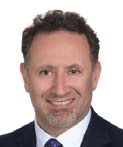
Dr Ken Baldwin
Former Director Financial Policies & Planning, Islamic Development Bank
Dr. Ken has worked as a practitioner in banking and finance for over 25 years in senior quantitative finance and risk management positions. Having graduated from Oxford University with a first-class honors degree in Physics, he qualified as a Chartered Accountant before joining UBS, and then later Credit Suisse, in derivatives risk and control functions based in London. He gained a PhD in the microeconomic theory of risk sharing in Islamic contracts, and worked in the GCC for 15 years in Islamic retail and Islamic investment banks. Dr. Ken built an ALM analytic technology platform for Abu Dhabi Islamic Bank, was MENA Regional Head of Quantitative Analysis for Citigroup, and has worked in quantitative risk management roles for both conventional and Islamic private equity and venture capital institutions. He most recently set up the Islamic Development Bank’s Financial Policies and Planning function, which provides risk and pricing analytic support at product and balance sheet levels. Dr. Ken is currently a senior university lecturer in finance in the UK, has published quantitative finance articles in peer-reviewed academic journals including the Journal of Risk, and taught CFA and FRM in his earlier career.
For enquiries please contact:
Normariya Sariman
Account Manager, REDmoney Seminars
[email protected]
Direct Line: +603 2162 7800 ext 44
Ramesh Kalimuthu
Events Sales Director
[email protected]
Direct Line: +603 2162 7800 ext 65
Fax: +603 2162 7810
For sponsorship & speaking opportunities:
Andrew Tebbutt
Managing Director
[email protected]
Direct Line: +603 2162 7802
For marketing and media enquiries
Govina Selvanthran
Marketing Manager
[email protected]
Direct Line: +603 2162 7800 ext 22